0
 0
On the “Management” of Different Vintages
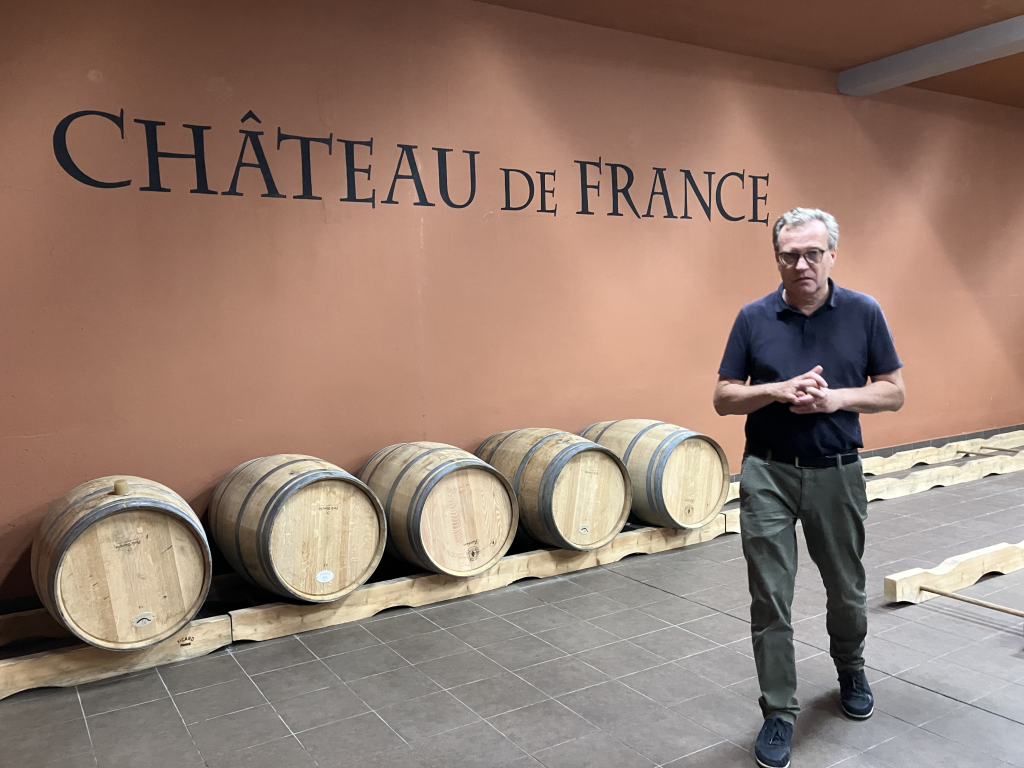
Regarding climatic conditions, which are paramount to wine quality, both the vineyard management—conducted to harvest under optimal conditions and attain the ideal match for the desired organoleptic profile—and the cellar work consistently produce balanced wines at Château de France that “make the mouth water and leave you longing for more.” A true mantra for Arnaud Thomassin, who relies on seeking a low pH to craft fresh, taut wines.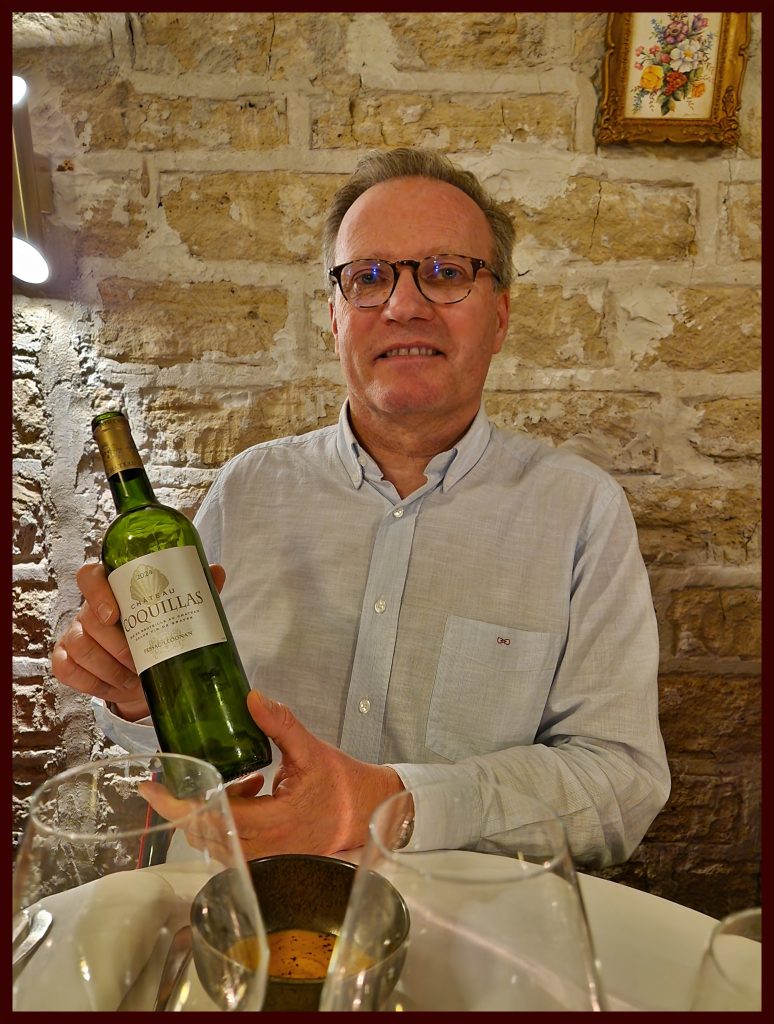
Arnaud Thomassin at the table of the restaurant L’Évadé. Photo © Pierre d’Ornano | Aeternus.fr
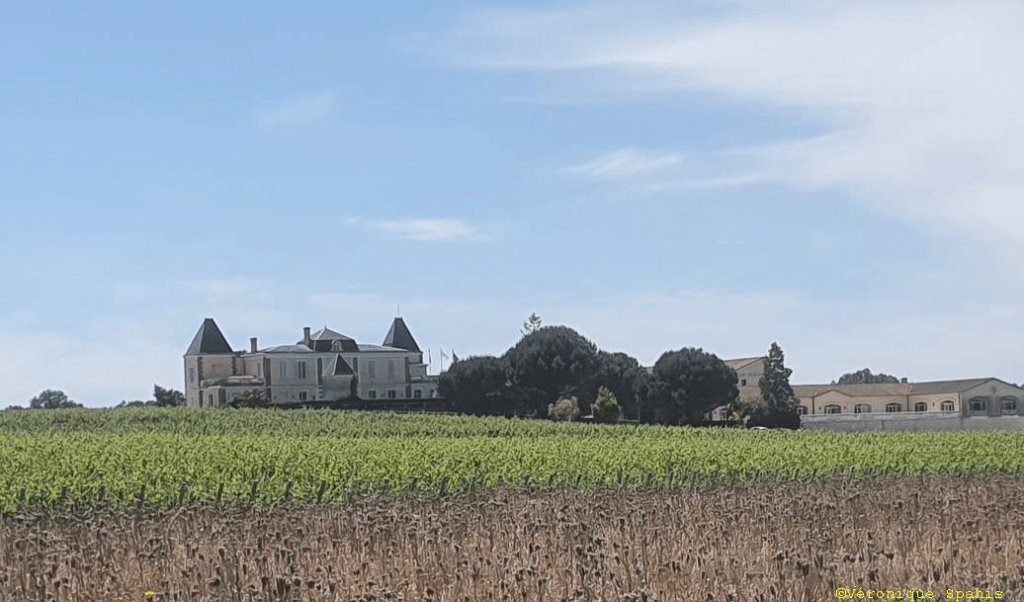
It is worth noting that Château de France directly farms 40 hectares of vines in full ownership. The estate is a member of the Union des Grands Crus de Bordeaux and the Syndicat des Vignerons Indépendants de France. It holds the High Environmental Value (HVE) certification and implements biocontrol, which uses natural, preventative protection methods to manage vineyard pests and pathogens.
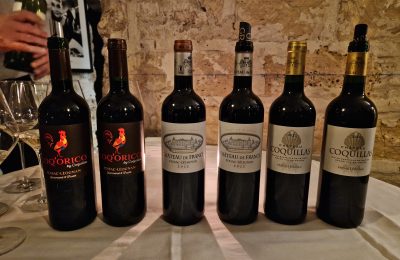
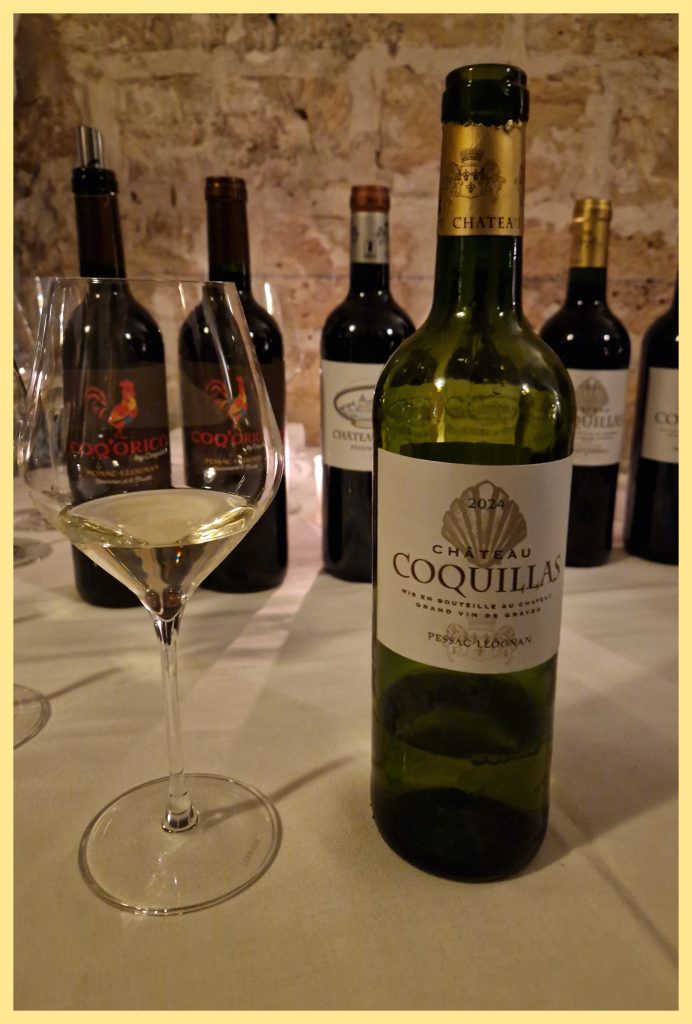
An Indulgent Wine
Terroir: very deep gravel, occasionally over a clay-limestone subsoil
Grape varieties: 80% Sauvignon, 20% Sémillon
Planting density: 6,950 vines per hectare
Pruning: double Guyot
Harvest: manual
Vinification
Fermentation temperatures: 20–25°C maximum. The musts were aged for 8 to 9 months in barrels of two to three previous wines. Notably, 5% of the estate’s barrels are made of acacia. Used in white winemaking, this wood respects the fruit while enhancing the wine’s freshness. Bâtonnage (lees stirring) was performed once a week, shifting to fortnightly towards the end.
Tasting Notes
Color: pale gold
Arising from a challenging 2024 vintage, this wine reveals a harmonious nose with aromas of white-fleshed fruit, candied apricot, and honey. An indulgent cuvée with tension and structure on the palate, harmoniously blending richness, freshness, and elegance. The finish is distinctly mineral.
Food & Wine Pairings
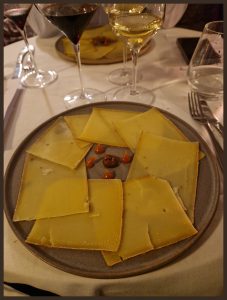
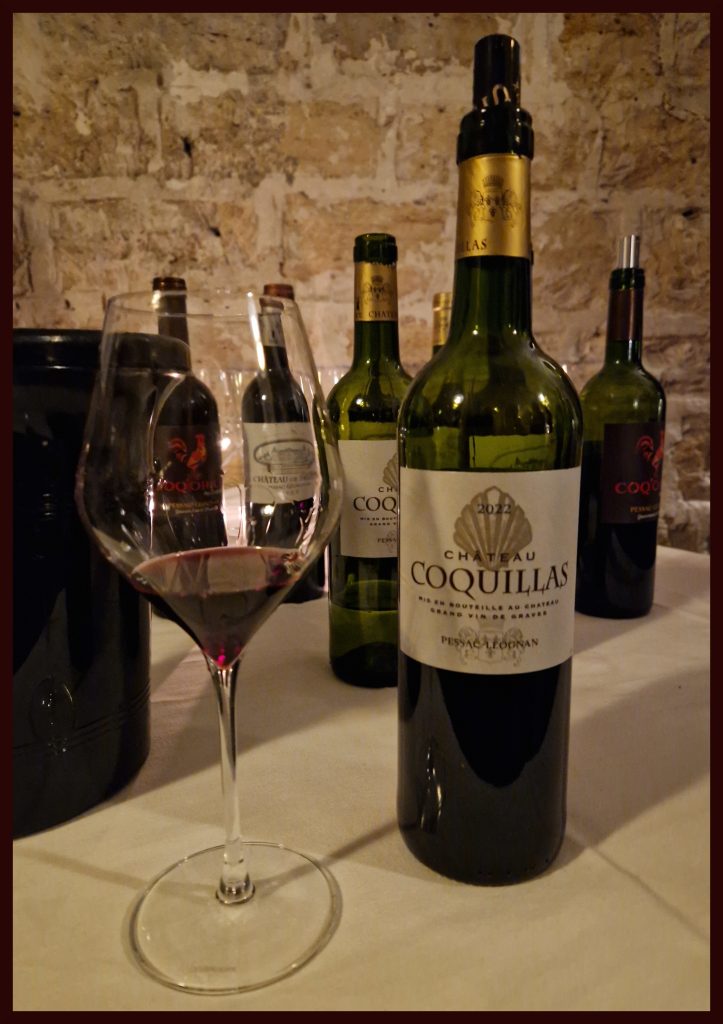
To be enjoyed as an aperitif with green olive tapenade, alongside pan-seared sea scallops, or with grilled fish. This white Château Coquillas will also pair seamlessly with an array of matured cheeses, bringing a welcome touch of freshness.
Cellar door price: €17 incl. VAT
Style and Structure
Terroir: very deep gravel, occasionally over a clay-limestone subsoil
Grape varieties: 35% Cabernet Sauvignon, 65% Merlot
Planting density: 6,950 vines per hectare
Pruning: single and double Guyot
Harvest: manual/mechanical
Vinification
Alcoholic fermentation lasted between 7 and 10 days. The musts macerated in 130-hl and 85-hl vats for 3 to 4 weeks under constant temperature control (maximum temperature of 30°C during fermentation). Malolactic fermentation was also conducted in vats. The wine was then aged for 12 months in barrels of two to three previous wines. Finally, it underwent light filtration prior to bottling.
Tasting Notes
Color: garnet
The nose reveals characteristic Merlot aromas of blackcurrant, blackberry, and morello cherry. On the palate, the wine demonstrates remarkable style and a fine tannic structure, complemented by mineral and minty nuances lent by the Cabernet Sauvignon, along with generous length.
Food & Wine Pairings
Best enjoyed alongside grilled or roasted meats, or paired with a Brie or a dry raw-milk soft goat cheese.
Cellar door price: €11.50 incl. VAT
A Fresh and Approachable Wine
Terroir: gravelly soils of southern Bordeaux
Grape varieties: 45% Merlot, 55% Cabernet Sauvignon
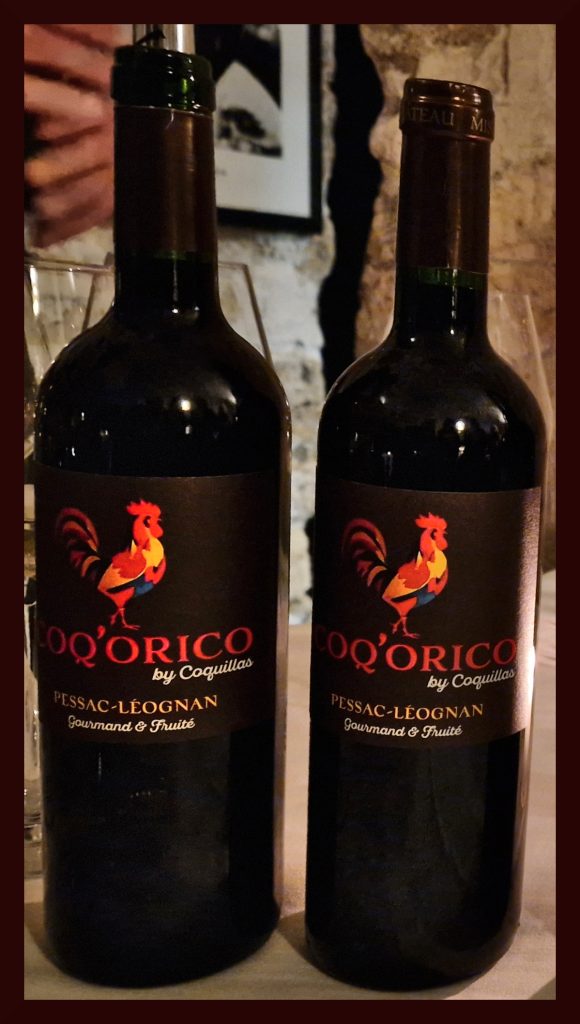
This quintessential Graves blend combines the roundness and fruit-forward nature of Merlot with the structure and depth of Cabernet Sauvignon, yielding a fresh, festive, and readily approachable wine.
Vinification
Traditional vinification in temperature-controlled stainless steel vats with gentle extraction. Aging is partially carried out in oak barrels (depending on the vintage) for 6 months.
Tasting Notes
Color: radiant garnet-red
This wine has a crisp vitality. It exudes aromas of red fruit (cherry, strawberry, redcurrant) and spice, accented by delicate floral notes.
The palate is supple and succulent. The balance between sweetness and acidity is seamless. The tannins are beautifully integrated, giving way to a fruity finish and a lasting sensation of freshness.
Food & Wine Pairings
This is a convivial wine, ready to be enjoyed immediately or cellar-worthy for the next 3 to 5 years. It will be ideal for an aperitif or a picnic, as well as paired with white meat, roast chicken, a gourmet burger, lamb brochettes, or even steak tartare. Serve at a temperature between 16 and 18°C.
Cellar door price: €12.70 incl. VAT
A gastronomic wine
Surface area: 36 ha
Soil: deep gravel
Vine age: 35 years
Planting density: 7,000 vines/ha
Yield: 30 hl/ha
Grape varieties: 50% Merlot, 50% Cabernet Sauvignon
Harvest dates: from 08/09 to 03/10
Alcohol by volume: 14%
Vinification
In temperature-controlled stainless steel vats. The wine was aged in barrels for 12 months, with 30% new oak.
Tasting Notes
Colour: deep ruby
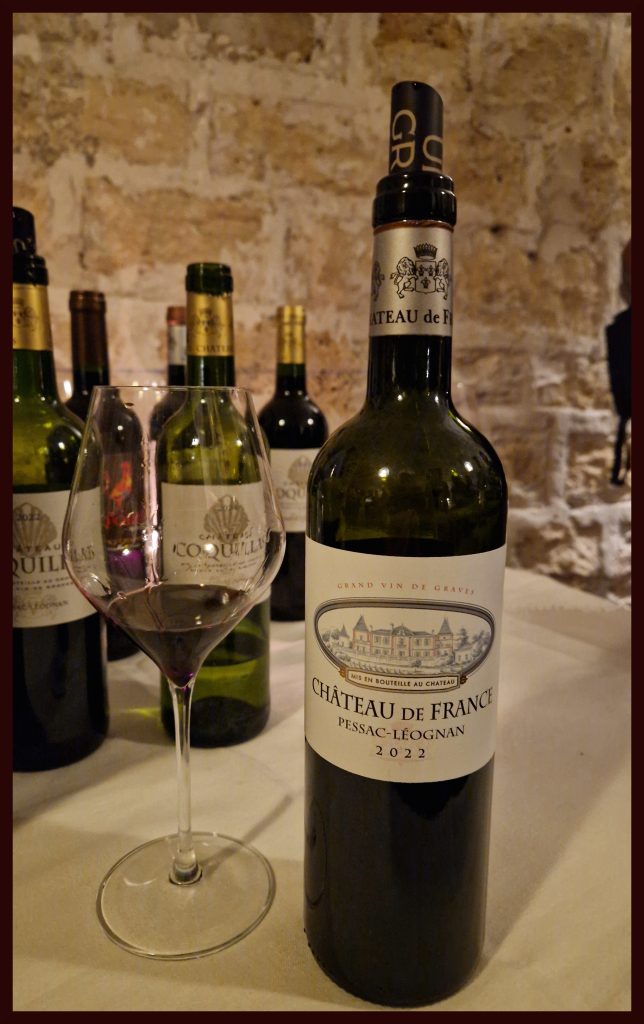
The nose is intense, revealing aromas of blackcurrant and cherry. On the palate, this wine displays a fine structure with spicy and liquorice notes. The tannins are already mature, seamlessly integrated and refined, while the oak remains discreet. A gastronomic wine with great ageing potential.
While the impatient may enjoy it now, it will certainly benefit from a few years of careful cellaring.
Food & Wine Pairings
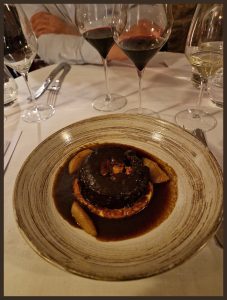
Pair with roasted or grilled red meats (prime rib of beef, leg of lamb, etc.), or with a dark chocolate dessert.
Cellar door price: €25.60 incl. VAT (€51.60 for a magnum)
Our personal favourite…
Terroir: very deep gravel, occasionally over a clay-limestone subsoil
Grape varieties: 80% Sauvignon Blanc, 20% Sémillon
Planting density: 6,950 vines per hectare
Pruning method: Double Guyot
Harvest: manual
Vinification
Alcoholic fermentation took place in barrels (7 to 10 days) at temperatures maintained between 20 and 25°C maximum. This was followed by 10 months of ageing combining new oak barrels (30%) and one-wine barrels, with bâtonnage (lees stirring) carried out once a week, and every fortnight towards the end of the process.
Tasting Notes
Bright, limpid golden colour
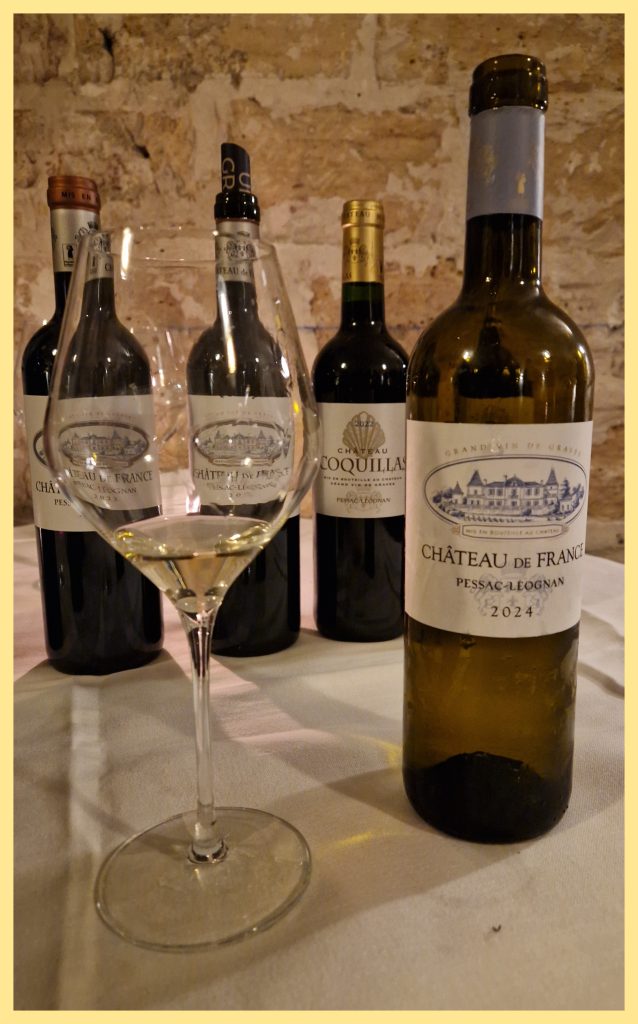
The initial aromas reveal beeswax, spices, and honey, before unfolding into notes of peach and apricot. It is a powerful, well-structured wine with a distinctive presence on the palate, offering roundness and impeccable balance. Peppery nuances also emerge. After a remarkably long finish, the tasting culminates in an intense finale.
Cellaring potential: 10 years and beyond.
Food & Wine Pairings
Best enjoyed with all manner of grilled fish or aged goat's cheeses.
Cellar door price: €27.60 incl. VAT