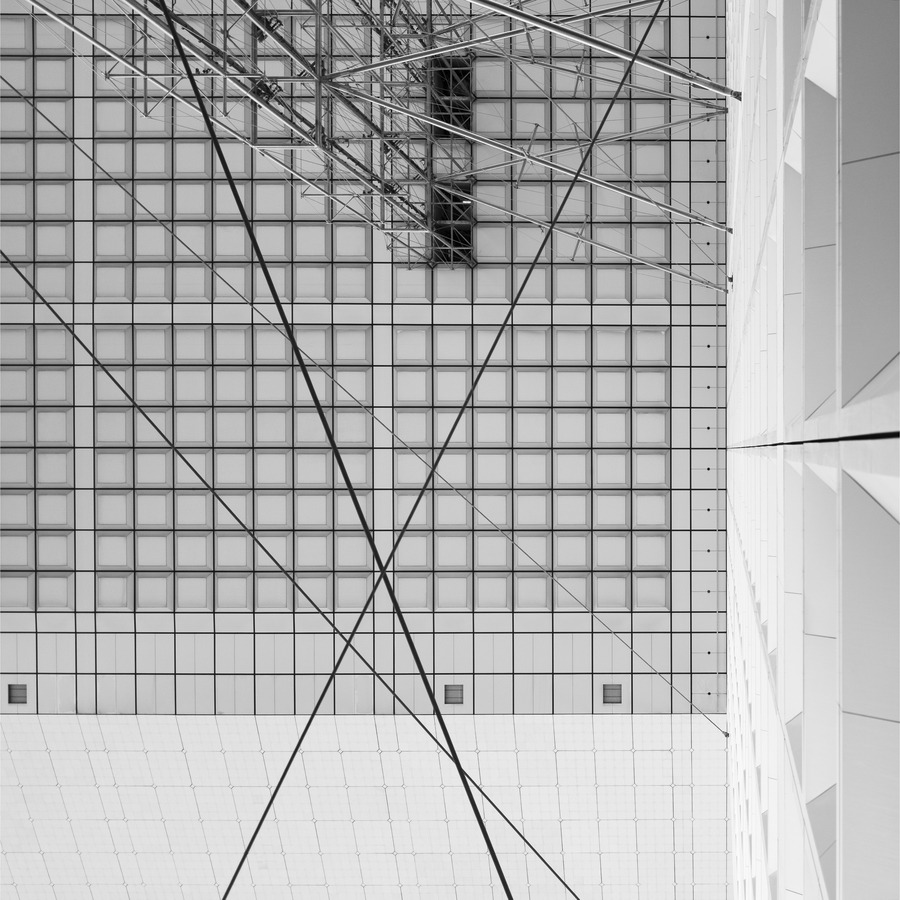
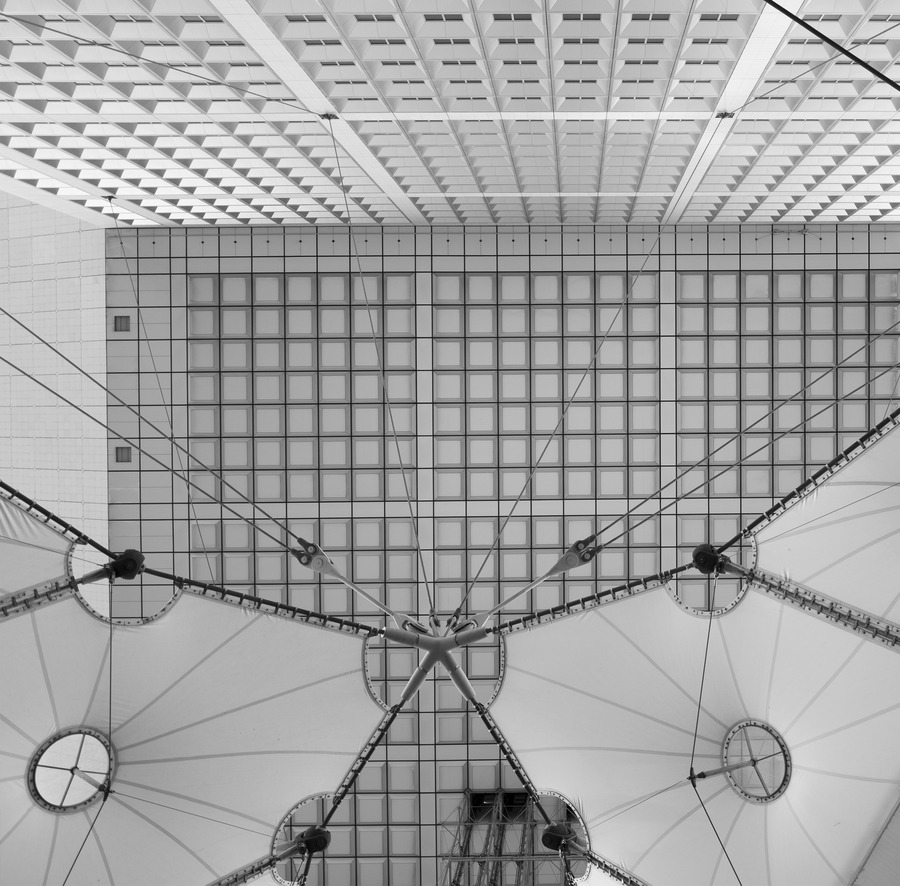
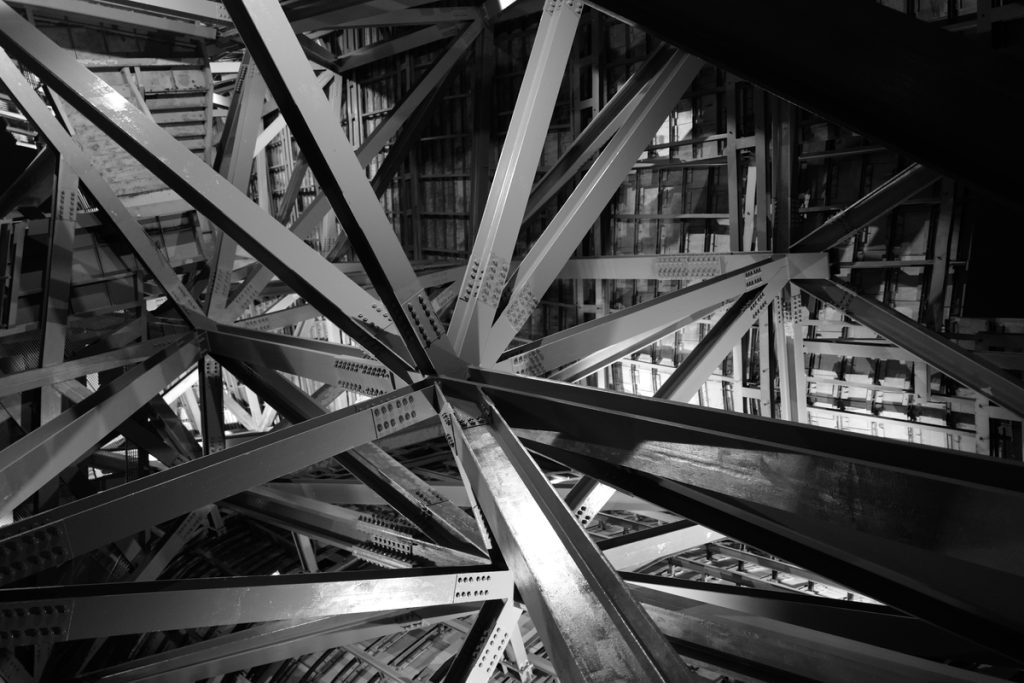
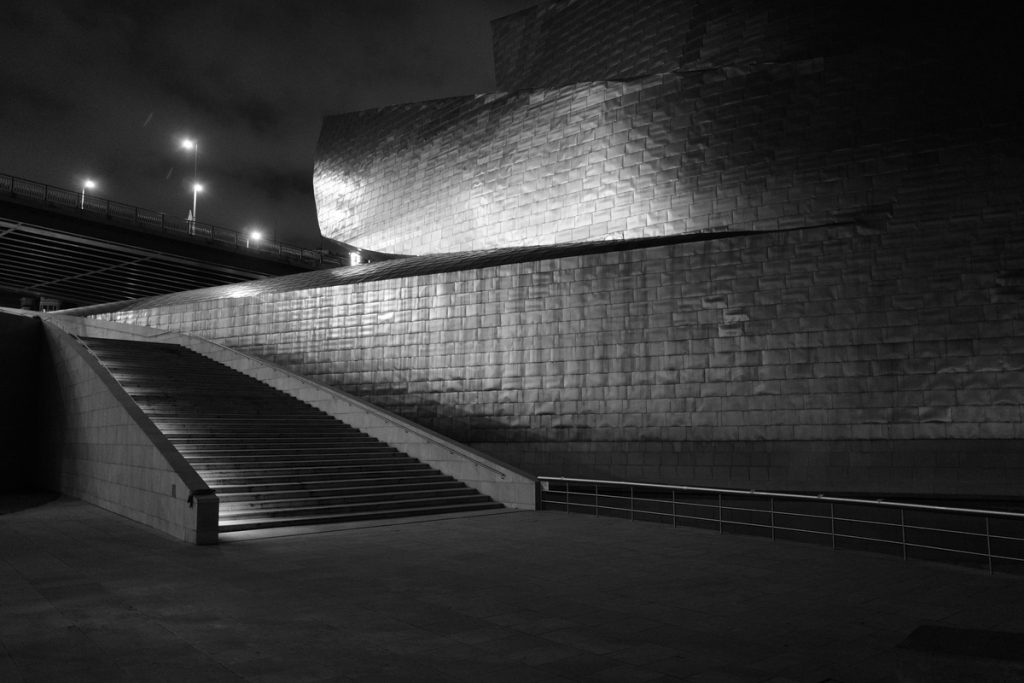
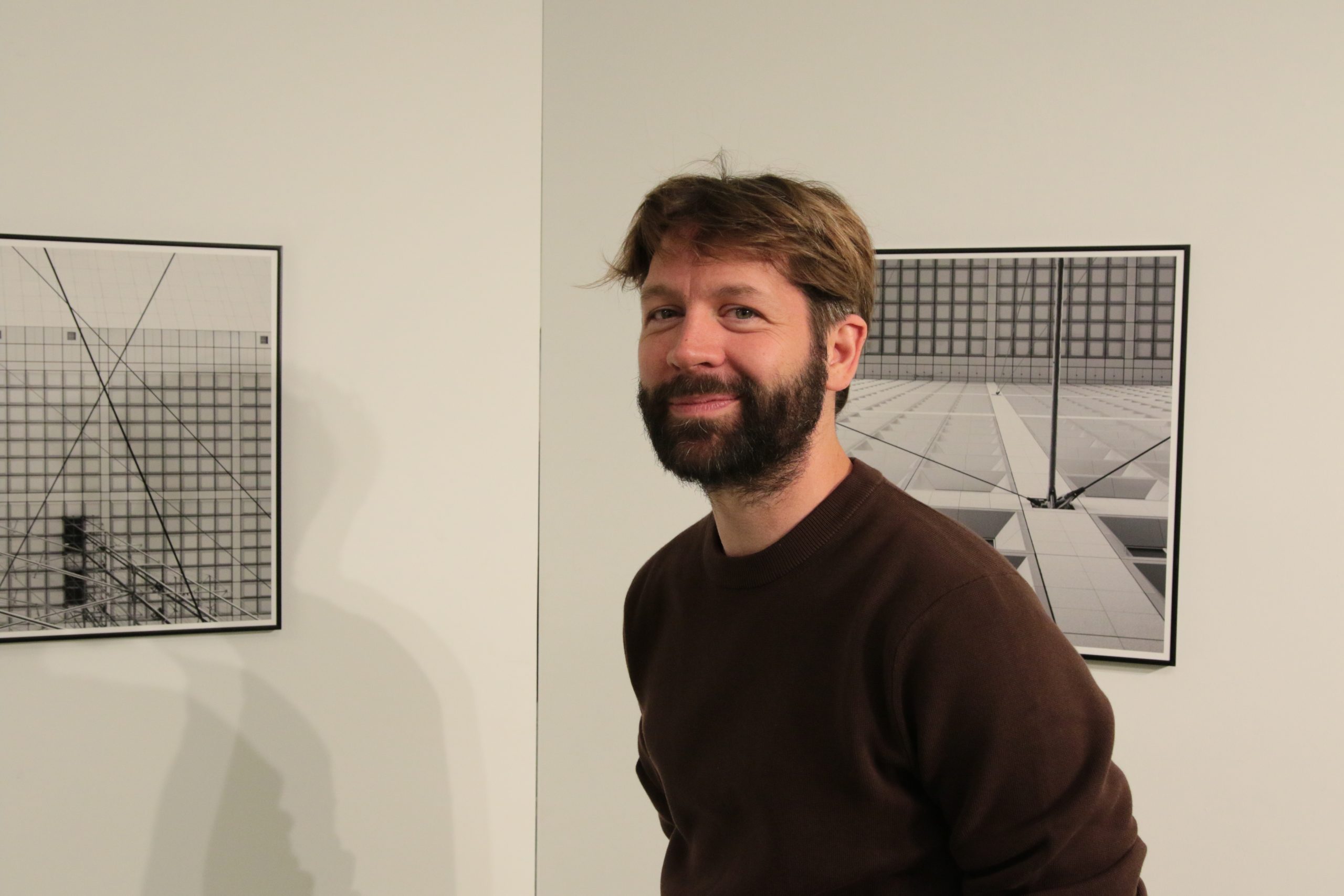
Exhibited for the first time this summer at Galerie VU’, on the occasion of the exhibition "The Test of the Real – Chapter 3", Paul Nouallet shifts our gaze and senses toward a different aesthetic.
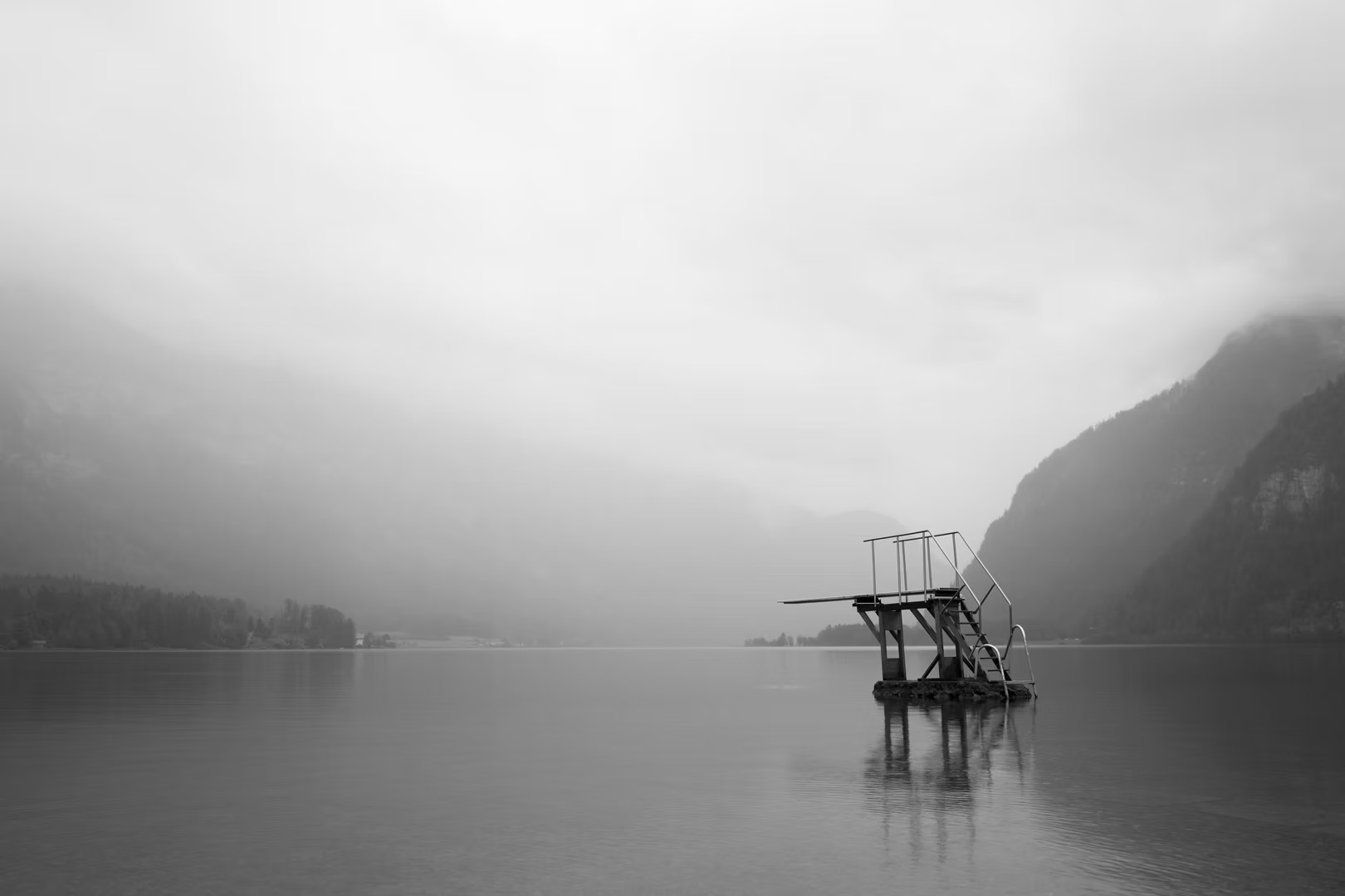
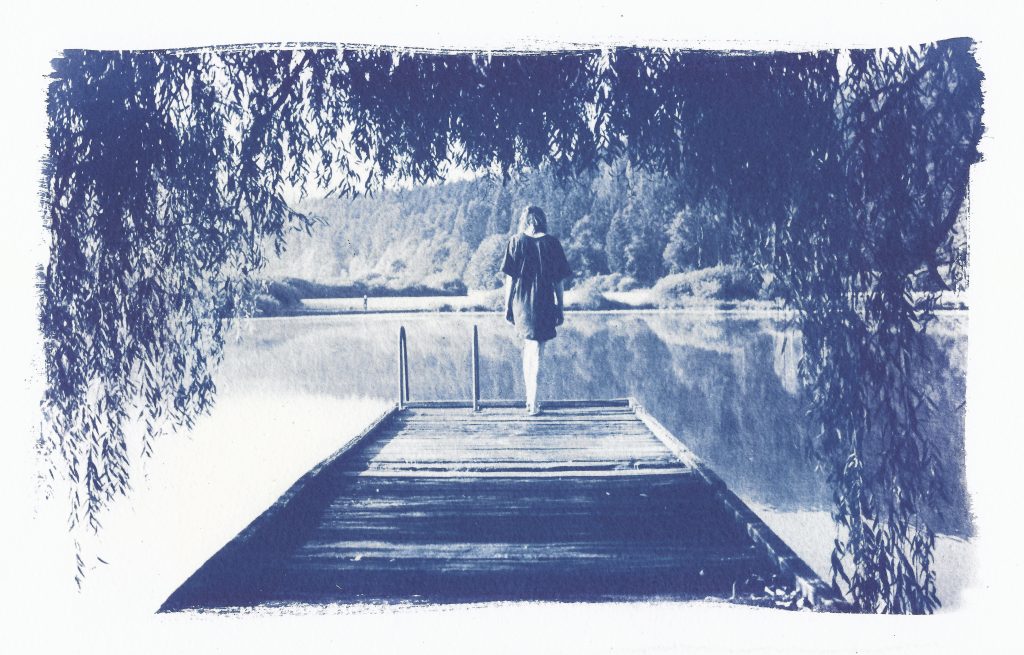
Thank you for reading this post, don't forget to subscribe!Cover photo: Hallstättersee, Austria © Paul Nouallet
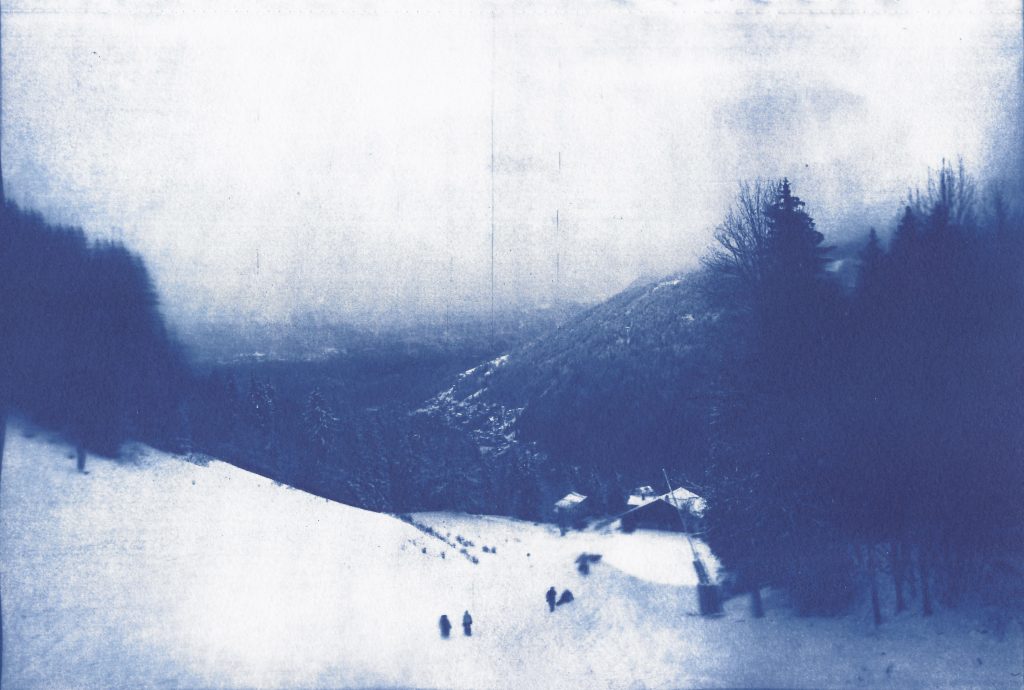
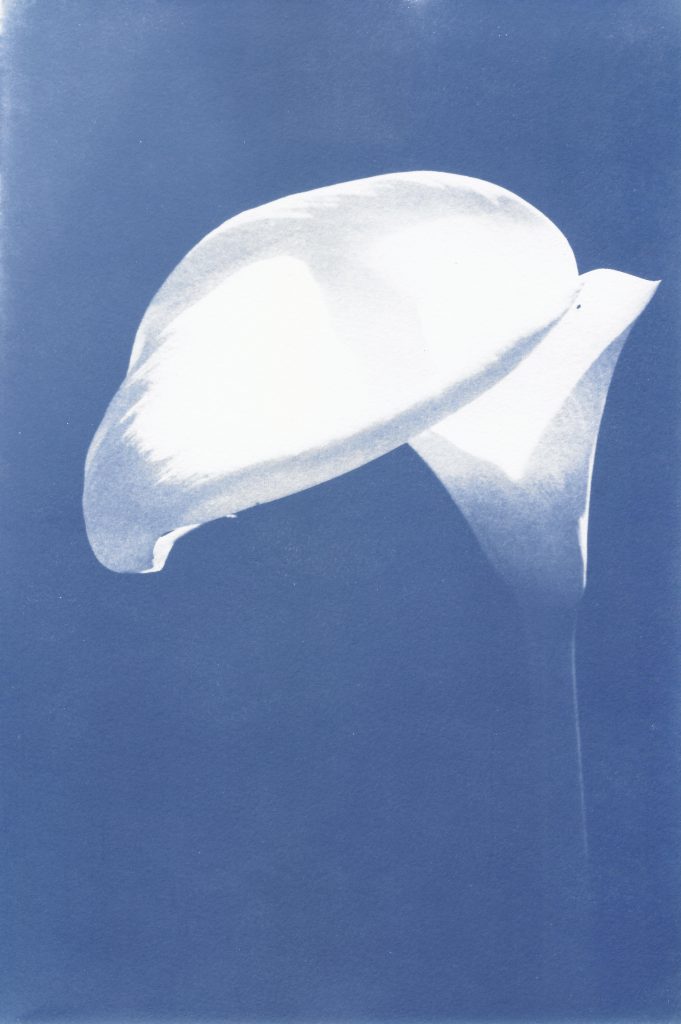
Yet, almost nothing predisposed him to take an interest in this field of the third art that is photography. Even less so in its historical forms and processes—which have, moreover, come back into fashion—such as silver gelatin or cyanotype. Today, Paul Nouallet is an explorer of the formation and materialisation of the image. His photographic work offers new perspectives and temporalities, both in his architectural photographs that focus attention on new spatial realms within structures, such as those of La Défense or the Guggenheim Museum in Bilbao, and in his cyanotypes, where matter becomes image through the union of light and chemistry.
Career Journey…
In his youth, it was drawing and comic art that first captured Paul's passion. A "universe of lines," as he puts it, which would inspire him in his early photographic days and can be found throughout his architectural series. He eventually became a draughtsman, but for industry. Paul Nouallet therefore initially possessed a technical background in industrial mechanics (machine tool programming, machining, etc.), enriched nevertheless by an affinity for the applied arts, with which he describes being "steeped in" throughout his studies.
It was through this interest in the applied arts and his chemistry teacher at the Albert-Claveille high school in Périgueux, who ran a photography club, that he discovered and took his first shots in 2005, at the age of 18, exclusively using film at the time. "I took a great deal of photographs and, above all, produced many prints, with no formal training other than the fundamentals imparted by that teacher. It is truly the medium itself that fascinates me in photography. There is something magical about darkroom development*," he emphasises. In the final year of his studies, he set up a darkroom in the attic of his maternal grandfather—an amateur photographer who owned a full array of developing equipment and cameras—which he used for a year.
Analogue Photography: Discovering Another World
Having completed his studies, and following periods abroad and a brief return to Périgueux where few professional opportunities presented themselves, Paul moved to Paris to join friends. He finally settled there in a small flat, where he re-established a photographic darkroom. "In Paris, I returned to film, and I was able to recover my other grandfather's Rolleiflex, an extraordinary instrument for visual exploration. When one is accustomed to looking through a viewfinder, shifting posture to hold the camera and working with a square format fundamentally alters one’s vision of the world. While there was not really an artistic bent within the family, there were certainly cameras and equipment lying around."
Sometimes, beholding the world through a different prism—in this case, through a camera body that, by imposing a new posture, alters or even disrupts one’s preconceived vision—opens new doors and fresh fields of exploration. Since Nicéphore Niépce (who pioneered the "heliographic process"), photography has notably served as a vessel for artistic expression and a means of witnessing world events and history. It can also be a space where historical techniques and recent discoveries meet, a marriage between chemistry and digital technology, an alignment of short and long temporalities in the pursuit of depth.
*Paul Nouallet's first camera was a Pentax ME Super, which originally belonged to his mother. He subsequently used a digital camera, the Pentax K20D, for his travels, before returning to film with a Rolleiflex.
An Introspective Approach Through the Photographic Medium
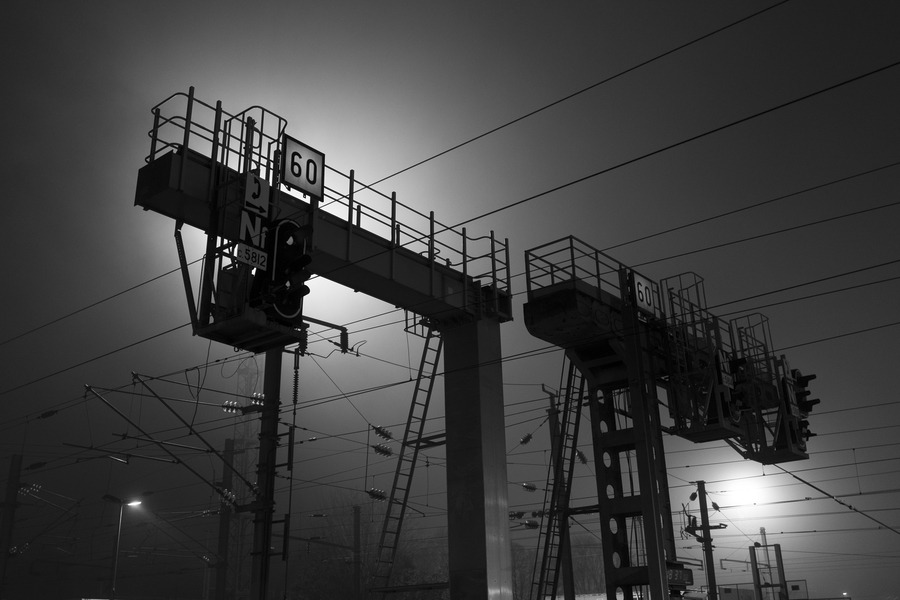
Paul Nouallet produced his first La Défense photo series with this Rolleiflex. A film series, therefore, which remained hung on the photographer's walls for several years, though he admits he was never able to achieve a fully satisfactory print quality.
"I found myself in a world entirely of its own, which can go remarkably far, but demands an immense commitment (1). Faced with this impasse, and wishing to retain the pleasure of photography, I decided to change equipment. After examining several options, I opted for a Leica Q, Typ 116 [a full-frame camera featuring a fixed 28mm f/1.7 lens], a wonderfully minimalist camera with very few functions—only the essentials found on an analogue camera—delivering an authentic photographic experience," he explains. It was ultimately with this Leica that he completed the La Défense series.
What lingered was the memory of the darkroom printing experience and the profound pleasure felt upon the revelation of the image. This lingering impression would lead him to seek a printing process offering identical sensations, which he rediscovered through cyanotype in particular.
"I had become very restricted by black and white, and using cyanotype to move beyond monochrome, diversify colours, and rediscover the tactile joy of printing, exposing, and uncovering the image through the sun and chemistry was extraordinary. It marked a return to exploring the material quality, rather than merely the image itself."
(1) Read our article: "Diamantino Quintas: The Luminous Shadow of Photographers".
The Metamorphosis of a Digital Flow into a Photographic Light Source
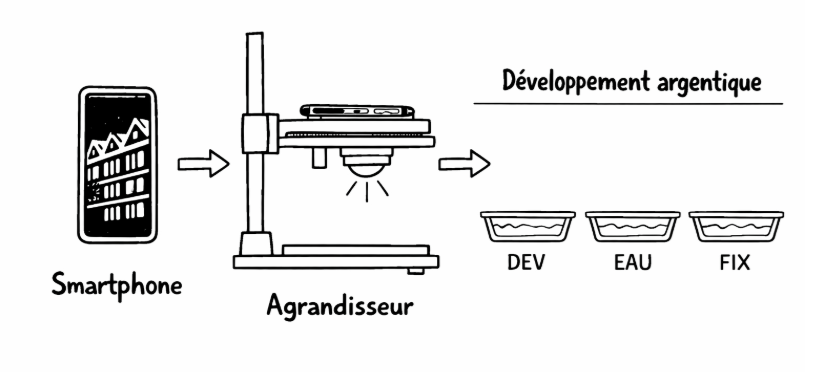
In another avenue of exploration, Paul Nouallet blends and fuses past and present photographic realms, uniting digital images captured on a mobile phone with analogue processes by transforming a digital stream into a light source… "I wanted to recapture the tactile analogue print quality within images taken on my smartphone, binding the two together. I tinkered with and modified photographic enlargers, fabricating parts to trick the system and transform those everyday smartphone pictures into silver gelatin prints. Eventually, I devised a technique. First, using an application on my phone, I convert the photo to black and white and invert it into a negative, before developing it onto photosensitive paper directly exposed to the phone screen's light at maximum brightness." *
Immediate Recognition
After putting photography on hold for three years following the birth of two children and the renovation of a house, Paul Nouallet decided to pick up his cameras once more—this time with the intention of exhibiting his work and presenting his prints to the public. In 2026, he compiled a portfolio featuring the La Défense series, which he submitted to art galleries. He received positive, encouraging feedback; however, his "classicism" did not quite align with the prevailing modernist editorial line, which favoured an "aesthetic of deliberate imperfection"—grain, blur, camera shake, snapshots, and the celebration of raw emotion, in stark contrast to the polished imagery previously championed by galleries.
A second submission to different galleries yielded a response from Xavier Soule of Galerie VU’. "Xavier Soule emailed me asking if I had fifteen minutes for a call. He told me he was curating an exhibition and felt my photographs would be a natural fit. I met him a week later, on 14 April 2026. From there, everything moved very quickly. The exhibition 'The Test of the Real – Chapter 3' opened in early June."
A remarkably swift recognition by one of France's most prestigious galleries—and one that promises to be only the beginning.
Paul Nouallet's works are available for purchase.
Contacts:
–> Galerie VU’ / galerievu@vuphoto.fr
–> Via Paul Nouallet's website by clicking HERE / contact@paulnouallet.com